Author: Home Fix Quick Team

  • Why Does My Air Conditioner Keep Turning On and Off?

    An air conditioner that keeps turning on and off frequently can be frustrating and inefficient. This behavior, often called short cycling, can increase energy costs and put extra wear on the system.

    In many cases, the cause is simple and does not mean the air conditioner is failing. Below are the most common reasons this happens, what’s normal, and what you can safely check.

    Common Reasons an Air Conditioner Turns On and Off Repeatedly

    Air conditioners are designed to run in steady cycles. When something interferes with airflow, temperature sensing, or capacity, the system may shut off too soon and restart again.

    Dirty Air Filter

    A clogged air filter restricts airflow. When airflow is reduced, the system can overheat and shut itself off as a safety measure. Once it cools, it turns back on, creating repeated on-and-off cycles.

    This is one of the most common and easiest issues to fix.

    Thermostat Issues

    Problems with the thermostat can cause short cycling, such as:

    • The thermostat being placed too close to a vent
    • Direct sunlight hitting the thermostat
    • Low batteries
    • Incorrect settings

    If the thermostat senses temperature changes too quickly, it may turn the system on and off unnecessarily.

    Oversized Air Conditioner

    If an air conditioner is too large for the space, it can cool the area very quickly and shut off before completing a full cycle. The room may feel cool, but the frequent cycling reduces efficiency and comfort.

    This issue is common in systems that were replaced without proper sizing.

    Low Refrigerant Levels

    Low refrigerant can cause the system to cool improperly. This can lead to freezing or overheating conditions that trigger frequent shutoffs.

    This issue usually requires professional attention.

    Dirty Condenser or Evaporator Coils

    When coils are dirty, the system cannot release or absorb heat efficiently. This can cause temperature imbalances that lead to short cycling.

    Outdoor condenser units are especially prone to dirt and debris buildup.

    Is It Normal for an Air Conditioner to Cycle On and Off?

    It is normal for an air conditioner to turn on and off several times a day. However, if the system cycles every few minutes or never seems to run for long, it is not normal and should be addressed.

    Frequent short cycles can shorten the lifespan of the system.

    Easy Things You Can Check and Fix Safely

    There are a few simple steps homeowners can take before calling for service.

    Replace or Clean the Air Filter

    • Turn off the system
    • Remove the air filter
    • Replace or clean it if it appears dirty
    • Restore power and monitor performance

    This alone often resolves short cycling.

    Check Thermostat Placement and Settings

    • Make sure the thermostat is not near a vent
    • Replace batteries if applicable
    • Set the system to a steady temperature instead of frequent changes

    Clear Debris Around the Outdoor Unit

    • Turn off power to the unit
    • Remove leaves, dirt, or debris from around the condenser
    • Ensure airflow is not blocked

    When to Call a Professional

    If the air conditioner continues to turn on and off after:

    • Replacing the air filter
    • Checking thermostat settings
    • Clearing debris

    The problem may involve:

    • Refrigerant levels
    • Electrical components
    • Internal sensors

    These issues should be handled by a qualified technician.

    How to Prevent Short Cycling in the Future

    • Change air filters regularly
    • Keep vents unobstructed
    • Schedule routine maintenance
    • Avoid frequent thermostat adjustments

    Preventive care helps maintain steady operation and efficiency.

    Final Thoughts

    An air conditioner that keeps turning on and off is often reacting to airflow restrictions, thermostat issues, or system sizing problems rather than a major failure. Simple maintenance checks can often restore normal cycling.

    If the issue persists, professional service can help prevent long-term damage.

  • Why Does My Garbage Disposal Hum but Not Spin?

    A garbage disposal that hums but does not spin can be frustrating, especially when it suddenly stops working during normal use. The humming sound usually means the motor is getting power, but something is preventing the grinding components from turning.

    In many cases, this problem can be fixed safely with a few simple checks.

    Common Reasons a Garbage Disposal Hums but Won’t Spin

    When a disposal hums, it’s trying to work — but something is blocking movement or causing the motor to struggle.

    Jammed Disposal

    The most common cause is a jam.

    Food scraps, small bones, utensils, or other debris can become lodged between the grinding plate and the housing. When this happens, the motor hums but cannot rotate.

    Overloaded Motor

    If too much food is put into the disposal at once, the motor may overload. The disposal may hum briefly before stopping to protect itself.

    Power Was Cut by the Reset Switch

    Most garbage disposals have a built-in safety reset button. If the disposal overheats or jams, this button may trip and partially cut power, resulting in a humming sound without movement.

    Internal Components Are Worn

    In older disposals, internal parts can wear out over time. If components are damaged or seized, the motor may hum without being able to turn the grinding mechanism.

    Is It Safe to Run a Disposal That Is Humming?

    No. If a garbage disposal is humming but not spinning, it should be turned off immediately.

    Continuing to run it can:

    • Overheat the motor
    • Cause permanent damage
    • Lead to a complete failure

    Always turn off power before attempting any checks.

    Easy Things You Can Check and Fix Safely

    You can often fix a humming disposal without special tools.

    Turn Off the Power

    Before doing anything:

    • Turn off the disposal switch
    • Unplug the unit under the sink or turn off the circuit breaker

    Never reach into a disposal while it has power.

    Check for a Jam

    • Use a flashlight to look inside
    • Remove any visible debris with tongs or pliers
    • Never use your hand

    Use the Reset Button

    • Locate the small reset button on the bottom of the disposal
    • Press it firmly
    • Restore power and test the disposal

    If it was tripped, this may immediately fix the issue.

    Manually Rotate the Disposal

    Many disposals have a hex-shaped socket on the bottom:

    • Insert the correct hex wrench
    • Turn it back and forth to free the jam
    • Remove the wrench before restoring power

    This helps loosen stuck components.

    When to Call a Professional

    If the disposal still hums after:

    • Clearing jams
    • Resetting the unit
    • Manually rotating the motor

    The problem may involve:

    • A failed motor
    • Electrical issues
    • Internal mechanical damage

    At that point, replacement or professional repair may be necessary.

    How to Prevent Garbage Disposal Jams

    • Avoid putting fibrous foods down the disposal
    • Don’t overload with large amounts of food at once
    • Run cold water before and after use
    • Cut large scraps into smaller pieces

    Good habits help extend the life of the unit.

    Final Thoughts

    A garbage disposal that hums but doesn’t spin is usually dealing with a jam or overload rather than a complete failure. Simple checks like clearing debris, resetting the unit, or manually freeing the motor often solve the problem.

    If the humming continues despite these steps, professional service can help determine whether repair or replacement is needed.

  • Why Does My Freezer Build Up Ice?

    Ice buildup inside a freezer is a common problem that can reduce storage space, make food harder to access, and lower efficiency. While some frost is normal in certain situations, excessive ice usually points to airflow, moisture, or sealing issues.

    Below are the most common reasons freezers build up ice, what’s normal, what’s not, and what you can safely check yourself.

    Common Reasons a Freezer Builds Up Ice

    Freezers work by circulating cold, dry air. When moisture gets inside or airflow is disrupted, ice can begin to form.

    Door Not Sealing Properly

    A faulty door seal is one of the most common causes of ice buildup.

    If warm, moist air enters the freezer, it condenses and freezes, creating frost and ice over time. This can happen when:

    • The door gasket is cracked or worn
    • Food packages block the door from closing fully
    • The door is not aligned properly

    Even a small gap can allow enough moisture in to cause problems.

    Frequent Door Openings

    Opening the freezer door often, or leaving it open for extended periods, allows warm air to enter. This moisture can freeze on interior surfaces and gradually build up as ice.

    This is especially common in busy households or during holidays.

    High Humidity in the Home

    In humid environments, more moisture enters the freezer each time the door opens. Over time, this excess moisture freezes and leads to frost buildup.

    Overfilled or Poorly Organized Freezer

    When a freezer is packed too tightly, cold air may not circulate properly. Poor airflow can cause uneven cooling and lead to frost forming in certain areas.

    Defrost System Problems

    In frost-free freezers, a built-in defrost system periodically melts ice from the evaporator coils. If this system isn’t working correctly, ice can accumulate quickly.

    This issue is more common in older freezers.

    Is Some Ice Buildup Normal?

    A thin layer of frost can be normal in some freezers, especially manual-defrost models. However, thick ice buildup, ice on walls, or ice blocking drawers is not normal and should be addressed.

    If ice returns quickly after defrosting, there is likely an underlying issue.

    Easy Things You Can Check and Fix Safely

    You can often reduce ice buildup with a few simple checks.

    Inspect the Door Seal

    • Check the gasket for cracks, tears, or stiffness
    • Clean it with warm water and mild soap
    • Make sure nothing is preventing the door from closing fully

    A good seal should feel flexible and snug.

    Avoid Leaving the Door Open

    Try to limit how long the freezer door stays open, especially in humid conditions. Plan what you need before opening the door.

    Improve Air Circulation

    • Avoid overpacking the freezer
    • Leave space around vents
    • Reorganize items so air can flow freely

    Check Temperature Settings

    Freezers should generally be set to about 0°F (-18°C). Colder settings can sometimes increase frost buildup without improving food preservation.

    When to Call a Professional

    If ice buildup continues after:

    • Checking the door seal
    • Improving airflow
    • Adjusting temperature settings

    The problem may involve:

    • A faulty defrost heater
    • A malfunctioning defrost thermostat
    • A control or sensor issue

    These repairs usually require professional service.

    How to Prevent Ice Buildup in the Future

    • Keep the door seal clean and flexible
    • Don’t overload the freezer
    • Limit door openings
    • Store food in airtight containers when possible

    Regular attention helps prevent moisture from becoming ice.

    Final Thoughts

    A freezer that builds up ice is usually reacting to excess moisture or poor airflow rather than a major mechanical failure. Simple checks and good habits can often prevent the problem from returning.

    If ice continues to form despite these steps, a professional inspection can help identify defrost system issues.

  • Why Does My Dryer Take So Long to Dry Clothes?

    A dryer that takes a long time to dry clothes can be frustrating and expensive to run. If you find yourself running multiple cycles just to get clothes dry, the issue is usually related to airflow, load size, or maintenance rather than a major mechanical failure.

    Below are the most common reasons dryers take too long to dry clothes, what’s normal, what’s not, and what you can safely check yourself.

    Common Reasons a Dryer Takes Too Long to Dry Clothes

    Dryers rely on heat and airflow to remove moisture. When either one is restricted, drying times increase.

    Lint Buildup in the Lint Screen

    A clogged lint screen is the most common cause of long drying times.

    Even if the screen looks clean, fine lint can build up over time and restrict airflow. Reduced airflow prevents moist air from escaping the dryer efficiently.

    Clogged or Restricted Dryer Vent

    The dryer vent that leads outside is a critical part of the drying process. If it’s clogged or restricted, moisture has nowhere to go.

    Common causes include:

    • Lint buildup inside the vent hose
    • Crushed or kinked vent tubing
    • Blocked exterior vent flap

    This not only increases drying time but can also be a safety concern.

    Overloading the Dryer

    When the dryer is too full, clothes don’t have enough room to tumble freely. This traps moisture and prevents even drying.

    Large loads, especially towels or blankets, often require longer drying times or multiple cycles.

    Improper Dryer Settings

    Using low heat or air-dry settings for heavy loads can significantly increase drying time. Some cycles are designed for delicate items and aren’t meant for thick fabrics.

    Washer Leaving Clothes Too Wet

    If clothes come out of the washer overly wet, the dryer has to work much harder.

    This can happen when:

    • The washer spin cycle isn’t working properly
    • Loads are unbalanced
    • Spin speed is set too low

    Is It Normal for a Dryer to Take a Long Time?

    Drying times can vary based on load size and fabric type. However, most loads should dry within one normal cycle.

    If clothes consistently take two or more full cycles to dry, something is likely restricting airflow or efficiency.

    Easy Things You Can Check and Fix Safely

    Many dryer performance issues can be improved with simple maintenance.

    Clean the Lint Screen Thoroughly

    • Remove the lint screen
    • Wash it with warm water and mild soap
    • Let it dry completely before reinstalling

    This removes residue that traps fine lint.

    Check the Dryer Vent Hose

    • Pull the dryer slightly away from the wall
    • Make sure the vent hose isn’t crushed or kinked
    • Check for excessive lint buildup

    If possible, ensure the vent path to the outside is as short and straight as possible.

    Reduce Load Size

    Dry smaller loads to allow better airflow and faster drying.

    Use the Correct Cycle

    Choose a heat setting appropriate for the fabric type. Heavier items typically need higher heat and longer tumble time.

    When to Call a Professional

    If drying times remain long after:

    • Cleaning the lint screen
    • Checking the vent
    • Reducing load size

    The problem could involve:

    • A failing heating element
    • A faulty thermostat
    • Internal airflow issues

    These issues usually require professional diagnosis and repair.

    How to Prevent Long Drying Times

    • Clean the lint screen after every load
    • Inspect the vent system regularly
    • Avoid overloading the dryer
    • Use proper washer spin settings

    Regular maintenance helps keep drying times short and energy use low.

    Final Thoughts

    A dryer that takes too long to dry clothes is usually dealing with airflow or loading issues rather than a serious breakdown. Simple checks and routine cleaning can often restore normal drying performance.

    If the problem continues despite maintenance, professional service can help identify underlying issues.

  • Why Does My Washing Machine Shake Violently?

    A washing machine that shakes violently can be alarming, especially if it feels like it’s about to walk across the floor. This is a very common issue and usually doesn’t mean the machine is broken. In most cases, the problem is related to balance, load size, or how the washer is installed.

    Below are the most common reasons washing machines shake, what’s normal, what’s not, and what you can safely check yourself.

    Common Reasons a Washing Machine Shakes Violently

    Washing machines spin at very high speeds, especially during the final spin cycle. If something is even slightly off, that motion can turn into intense shaking.

    Stop Your Washer From Walking

    If your washer moves across the floor, a stabilizing mat can help keep it in place and prevent shaking during cycles.

    Anti Vibration Pads for Washing Machine with Tank Tread Grip

    The idea you didn’t know you needed! And now your laundry room is much less noisy

    We earn a commission if you make a purchase, at no additional cost to you.

    Uneven or Unbalanced Load

    This is the most common cause.

    Heavy items like towels, blankets, or jeans can clump together on one side of the drum. When the washer spins, the uneven weight causes the machine to shake aggressively.

    Washer Not Level

    If the washing machine isn’t sitting level on the floor, it can wobble and shake during operation.

    This often happens when:

    • The washer was recently moved
    • The floor is uneven
    • The adjustable feet aren’t properly set

    Even a small tilt can cause major vibration.

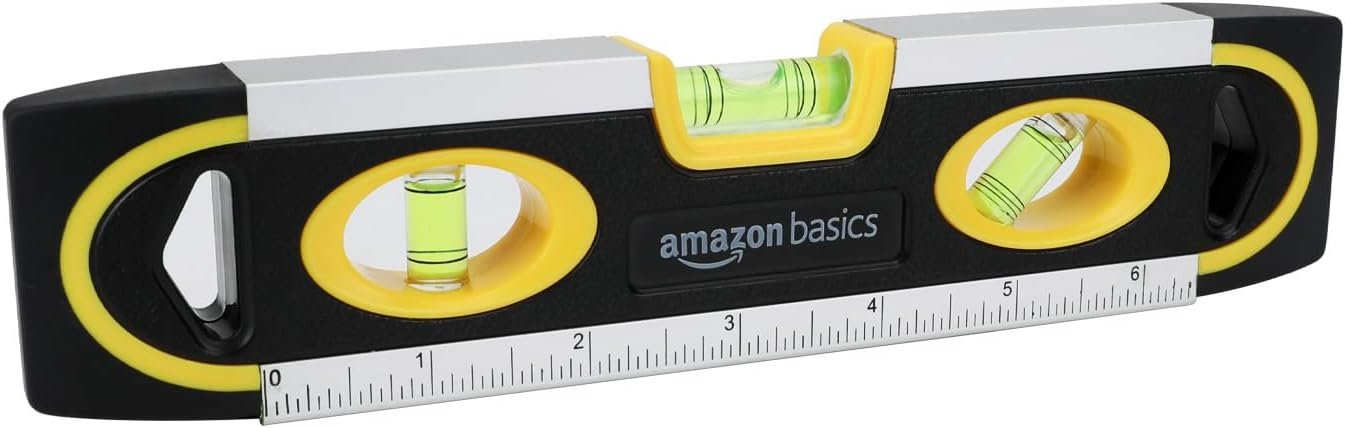
    Make Sure Your Washer Is Level

    An unlevel washer is one of the most common causes of violent shaking. A simple level tool helps you quickly fix the problem.

    We earn a commission if you make a purchase, at no additional cost to you.

    Overloading the Washer

    Putting too many clothes into the washer makes it harder for the drum to spin evenly. Overloaded washers are much more likely to shake, especially during high-speed spin cycles.

    Worn or Damaged Shock Absorbers

    Front-load and high-efficiency washers use shock absorbers or suspension rods to control movement. If these parts wear out over time, the washer may shake excessively even with normal loads.

    This issue is more common in older machines.

    A common symptom may include hearing a grinding noise from metal-to-metal contact.

    Shipping Bolts Still Installed

    If the washer is new and shakes violently, shipping bolts may still be installed. These bolts are used to protect the drum during transport and must be removed before use.

    Leaving them in place can cause extreme shaking and even loud banging noises if they become dislodged.

    Is Some Shaking Normal?

    Yes. Mild movement during the spin cycle is normal, especially with heavy loads. However, violent shaking, loud banging, or the washer moving across the floor is not normal and should be addressed.

    If the shaking happens every load, even with light clothing, something is likely off.

    Easy Things You Can Check and Fix Safely

    You can often reduce or eliminate shaking with a few simple checks.

    Redistribute the Load

    If the washer starts shaking:

    • Pause the cycle
    • Open the door
    • Spread clothes evenly around the drum
    • Restart the cycle

    This alone fixes many shaking problems.

    Check That the Washer Is Level

    • Place a level on top of the washer
    • Adjust the feet until the washer sits evenly
    • Make sure all feet are firmly touching the floor

    Some washers also have locking nuts on the feet that should be tightened once level.

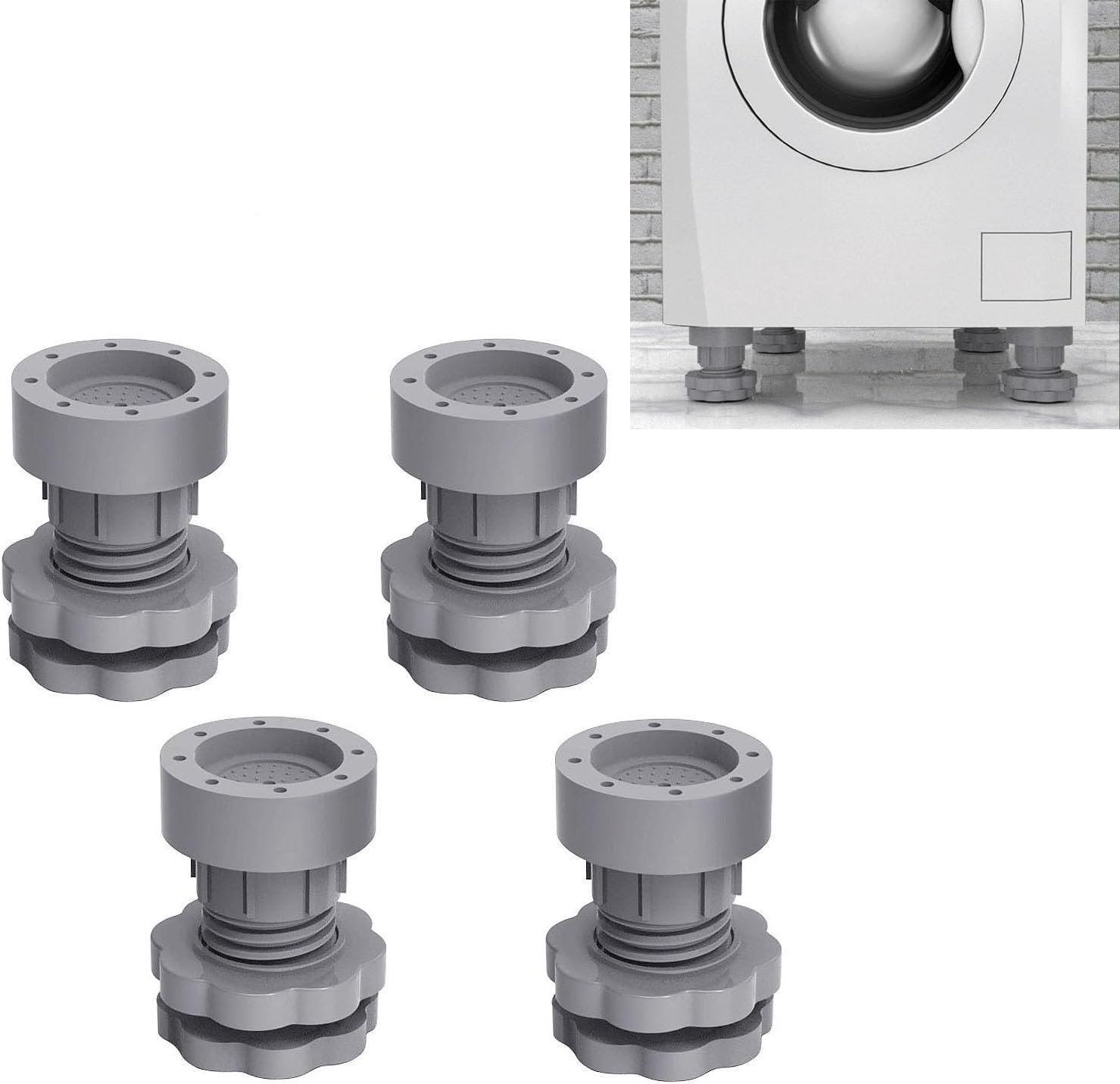
    Fix an Unlevel Washer at the Source

    If your washer isn’t level, adjusting or replacing the feet can stop shaking at the source instead of just reducing vibration.

    4 Pack Washing Machine Leveling Feet

    Lost or broken washing machine legs? These are a quick and cheap fix to get you back level.

    We earn a commission if you make a purchase, at no additional cost to you.

    Avoid Overloading

    Follow the manufacturer’s guidelines for load size. Clothes should have room to move freely inside the drum.

    Use the Correct Spin Speed

    High spin speeds aren’t always necessary, especially for bulky items. Lowering the spin speed can reduce shaking significantly.

    When to Call a Professional

    If the washing machine still shakes violently after:

    • Leveling the washer
    • Redistributing loads
    • Avoiding overloading

    The problem may involve internal components such as:

    • suspension rods
    • shock absorbers
    • drum support issues

    These repairs usually require professional service.

    How to Prevent Shaking in the Future

    • Wash bulky items separately
    • Mix heavy and light items in loads
    • Level the washer periodically
    • Avoid overfilling the drum

    Good loading habits go a long way in keeping your washer stable.

    Final Thoughts

    A washing machine that shakes violently is usually dealing with balance or installation issues rather than a serious mechanical failure. Simple adjustments and proper loading can often solve the problem quickly.

    If shaking continues despite these fixes, a professional inspection can help identify worn components.

  • Why Does My Dishwasher Smell Even After Cleaning?

    Dishwashers are supposed to make your kitchen smell cleaner, not worse. If your dishwasher smells bad even after you’ve cleaned it, you’re not alone. This is a very common problem, and in most cases, the cause is simple and fixable.

    Below are the most common reasons dishwashers develop lingering odors, what’s normal, what’s not, and what you can safely check yourself.

    Common Reasons a Dishwasher Smells After Cleaning

    Even a clean-looking dishwasher can trap odors in hidden areas. Smells usually come from moisture, food particles, or drainage issues.

    Food Particles Trapped Inside

    Small bits of food can get stuck in places you don’t normally see, such as:

    • The filter at the bottom
    • Spray arm holes
    • Door seals and rubber gaskets

    Over time, these food particles break down and create a sour or rotten smell.

    Clogged or Dirty Filter

    Most modern dishwashers have a removable filter near the bottom. If this filter isn’t cleaned regularly, it can trap grease and food residue, which causes persistent odors.

    Many people don’t realize their dishwasher even has a filter, so this is one of the most common causes.

    Standing Water in the Bottom

    If water doesn’t fully drain after a cycle, it can sit in the bottom of the dishwasher and start to smell. This often happens when:

    • The drain hose is partially clogged
    • The garbage disposal connection is blocked
    • The dishwasher hasn’t been used in a while

    Stagnant water almost always leads to unpleasant odors.

    Mold or Mildew Buildup

    Dishwashers are warm and moist, which makes them a perfect place for mold or mildew to grow. This often happens around:

    • Door seals
    • Corners of the tub
    • The bottom edges of the door

    Mildew smells are usually musty rather than rotten.

    Is Any Dishwasher Smell Normal?

    A slight odor right after a heavy load or greasy dishes can be normal, especially if the dishwasher hasn’t fully dried yet. However, strong or ongoing smells are not normal and usually mean something needs attention.

    If the smell is noticeable every time you open the door, even after cleaning, it’s a sign that something is trapped or not draining correctly.

    Easy Things You Can Check and Clean Safely

    You don’t need special tools to fix many dishwasher odor problems.

    Clean the Filter

    • Remove the bottom rack
    • Twist or lift out the filter (check your manual if needed)
    • Rinse it under warm water
    • Use a soft brush to remove grease or debris
    • Reinstall it securely

    This one step often solves the problem.

    Wipe the Door Seals

    • Use a damp cloth or sponge
    • Clean along the rubber gasket around the door
    • Pay attention to corners and folds

    Food and moisture can hide here easily.

    Check the Drain Area

    Look at the bottom of the dishwasher for standing water or debris. If you see food particles or cloudy water, gently wipe it out with a paper towel.

    Run a Hot Cleaning Cycle

    Run an empty cycle with:

    • A dishwasher-safe cleaning product
      or
    • A cup of white vinegar placed on the top rack

    This helps break down grease and odors inside the machine.

    When to Call a Professional

    If the dishwasher still smells after:

    • Cleaning the filter
    • Wiping seals
    • Running a cleaning cycle

    The issue could be related to:

    • A clogged drain hose
    • A problem with the garbage disposal connection
    • A plumbing issue causing dirty water to flow back

    At that point, a professional can check the drainage system safely.

    How to Prevent Dishwasher Smells in the Future

    • Scrape excess food off dishes before loading
    • Clean the filter once a month
    • Leave the door slightly open after cycles to let moisture escape
    • Run the dishwasher regularly, even if it’s not full

    Small habits go a long way in preventing odor buildup.

    Final Thoughts

    A dishwasher that smells bad even after cleaning is usually dealing with trapped food, moisture, or drainage issues. The good news is that most causes are easy to identify and fix with regular maintenance.

    Keeping the filter clean and moisture under control can help your dishwasher stay fresh and odor-free.

  • Why Does My Refrigerator Make a Humming Noise at Night?

    It can be unsettling to lie in bed and suddenly notice a low humming sound coming from your kitchen. During the day, household noises blend together, but at night everything feels quieter—and your refrigerator suddenly seems much louder than usual. The good news is that in many cases, a humming noise is completely normal. In other cases, it can be a sign that something needs attention.

    This guide explains, in simple terms, why refrigerators hum at night, which sounds are normal, which ones may be concerning, and what you can safely check on your own.


    Why Refrigerators Often Sound Louder at Night

    Before getting into specific causes, it helps to understand why the noise is more noticeable at night.

    • There is less background noise from TVs, traffic, and people moving around.
    • The refrigerator may run longer cycles overnight to maintain temperature.
    • Some homes cool down at night, which can slightly change how materials expand or contract, affecting sound.

    In many cases, the refrigerator isn’t actually louder—you’re just more likely to hear it.


    Common Causes of a Humming Noise

    The Compressor Running (Most Common Cause)

    What it is:
    The compressor is the heart of your refrigerator. It pumps refrigerant through the system to keep your food cold.

    What it sounds like:
    A steady, low hum or gentle buzzing that turns on and off throughout the day and night.

    Is it normal?
    Yes. This is the most common and expected refrigerator sound.

    Why it may happen at night:

    • The compressor may run longer when the fridge is full.
    • Warm food added earlier in the evening can trigger a longer cooling cycle.
    • Nighttime quiet makes the hum more noticeable.

    The Condenser Fan Motor

    What it is:
    Many refrigerators have a small fan that helps cool the compressor and condenser coils.

    What it sounds like:
    A soft humming or whirring sound, sometimes combined with light airflow noise.

    Is it normal?
    Yes, as long as the sound is smooth and consistent.

    When it can become louder:

    • Dust buildup on the fan or coils
    • The refrigerator working harder in warmer rooms
    • The fan brushing against debris

    Ice Maker or Water Valve Noise

    What it is:
    If your refrigerator has an ice maker, it may refill with water automatically.

    What it sounds like:

    • A brief hum or buzz
    • A quick vibration or whoosh of water

    Is it normal?
    Yes. These sounds usually last only a few seconds.

    Why it may happen at night:
    Ice makers often run on timers, and quiet conditions make them easier to hear.


    Refrigerator Leveling Issues

    What it is:
    If the refrigerator isn’t sitting level on the floor, vibrations from normal operation can become louder.

    What it sounds like:
    A humming that seems to vibrate through the floor or cabinets.

    Is it normal?
    The refrigerator itself is fine, but the noise can often be reduced.


    Normal Refrigerator Noises vs. Concerning Ones

    Normal Sounds You Don’t Need to Worry About

    • Low, steady humming
    • Gentle buzzing that comes and goes
    • Soft whirring or airflow sounds
    • Occasional clicking when the compressor starts or stops

    These sounds usually mean your refrigerator is doing its job.


    Noises That May Signal a Problem

    Loud or Increasing Humming

    If the humming is getting louder over time or suddenly becomes much more noticeable, it may indicate:

    • A struggling compressor
    • Dirty condenser coils
    • A worn fan motor

    Humming with Rattling or Grinding

    This combination can suggest:

    • Loose parts
    • A fan blade hitting something
    • Internal wear that needs attention

    Constant Humming That Never Stops

    Refrigerators cycle on and off. If yours seems to hum continuously for many hours, it may be:

    • Overworking to maintain temperature
    • Struggling due to poor airflow or mechanical issues

    Easy and Safe Things You Can Check

    You don’t need tools or technical skills to perform these basic checks.

    Check the Refrigerator’s Position

    • Make sure the refrigerator is not touching the wall or cabinets.
    • Leave a small gap behind and on the sides for airflow.
    • Gently push the fridge to see if the sound changes—this can reveal vibration issues.

    Make Sure the Fridge Is Level

    • Open the doors and see if they swing shut on their own.
    • Adjust the front leveling feet (usually by hand or with a wrench) so the fridge sits evenly.

    Listen to Where the Sound Comes From

    • Back of the fridge: often the compressor or fan
    • Inside the freezer: could be the fan or ice maker
    • Bottom front: sometimes vibrations against the floor

    Knowing the general location helps determine whether the sound is normal.

    Check for Overloading

    • Avoid packing the refrigerator too tightly.
    • Overcrowding blocks airflow and makes the unit work harder, increasing noise.

    Clean Around the Refrigerator

    • Unplug the refrigerator.
    • Gently vacuum or dust the area behind and underneath it.
    • Dust buildup can make the motor work harder and sound louder.

    Why the Humming Might Suddenly Start

    Sometimes homeowners notice a humming noise that wasn’t there before. Common reasons include:

    • A recent power outage or surge
    • Seasonal temperature changes
    • Adding large amounts of groceries
    • Moving the refrigerator slightly during cleaning

    In many cases, the noise settles down after a day or two.


    When It’s Time to Call a Professional

    While many humming noises are harmless, some situations call for expert help.

    Call a Professional If:

    • The humming is very loud or harsh
    • The sound is accompanied by burning smells
    • The refrigerator isn’t cooling properly
    • The humming never stops, even after several hours
    • You hear grinding, screeching, or metallic noises

    These signs can indicate mechanical problems that shouldn’t be ignored.


    Can an Older Refrigerator Be Louder?

    Yes. Older refrigerators often:

    • Use less sound insulation
    • Have worn motors or fans
    • Are less energy-efficient

    If your refrigerator is more than 10–15 years old, some extra humming may be normal, but frequent loud noises may mean it’s nearing the end of its lifespan.


    How to Reduce Nighttime Refrigerator Noise

    If the noise is normal but still bothers you, try these simple steps:

    • Place a rubber mat or anti-vibration pad under the refrigerator
    • Make sure nothing is stored on top of the fridge
    • Keep nearby cabinets and shelves from touching the unit
    • Close bedroom doors to reduce sound travel

    Small changes can make a noticeable difference.


    Final Thoughts

    A humming refrigerator at night is usually nothing to worry about. In most homes, it’s simply the sound of the compressor or fan doing what it’s supposed to do—made more noticeable by nighttime quiet. By understanding which sounds are normal, checking a few easy things, and knowing when to call for help, you can feel confident that your refrigerator is working safely and efficiently.

    If the noise stays steady and the fridge keeps your food cold, chances are everything is just fine.