Blog

  • Why Does My Dishwasher Not Clean Properly?

    If your dishwasher is not cleaning properly, the issue is usually caused by clogged spray arms, a dirty filter, improper loading, or low water temperature. When dishes come out dirty after a full cycle, it typically means water and detergent are not reaching all surfaces effectively.

    Below are the most common reasons and how to fix them.

    1. Clogged Spray Arms

    Spray arms are responsible for distributing water throughout the dishwasher.

    If the small holes become blocked with food particles or mineral buildup, water flow is reduced and dishes may not get clean.

    What to do:

    • Remove spray arms if possible
    • Rinse under warm water
    • Clear holes with a toothpick or small brush

    2. Dirty Dishwasher Filter

    A clogged filter can prevent proper water circulation.

    When the filter is dirty:

    • food debris stays in the machine
    • water becomes contaminated
    • dishes may come out dirty

    Cleaning the filter regularly can significantly improve performance.

    3. Improper Loading

    If dishes are overcrowded or stacked incorrectly, water cannot reach all surfaces.

    Large items may also block spray arms.

    To improve cleaning:

    • avoid overcrowding
    • place large items on the sides
    • leave space between dishes

    Improper loading can also leave dishes wet after the cycle finishes.

    4. Low Water Temperature

    Dishwashers require hot water to properly dissolve detergent and remove grease.

    If the water is too cool:

    • detergent may not activate fully
    • residue may remain on dishes

    Running hot water at the sink before starting the dishwasher can help.

    5. Too Much or Too Little Detergent

    Using the wrong amount of detergent can reduce cleaning performance.

    • too little → poor cleaning
    • too much → residue buildup

    Follow the recommended amount for your dishwasher.

    Quick Recap

    If your dishwasher is not cleaning properly, the most common causes include:

    • clogged spray arms
    • a dirty filter
    • improper loading
    • low water temperature
    • incorrect detergent use

    Fixing these issues usually restores proper cleaning performance.

    Poor cleaning can also be related to buildup that causes your dishwasher to leave white residue on dishes.


  • Why Does My Dishwasher Not Clean Properly?

    If your dishwasher is not cleaning properly, the problem is usually caused by clogged spray arms, a dirty filter, poor loading, low water temperature, or weak water flow.

    When dishes come out dirty after a full cycle, it usually means water and detergent are not reaching all surfaces the way they should.

    Here’s what to check.

    1) Clogged Spray Arms

    Dishwashers rely on spray arms to push water throughout the machine.

    If the holes in the spray arms become blocked with food debris or mineral buildup, water flow becomes weak and dishes may stay dirty.

    What to do:

    • Remove the spray arms if your model allows it
    • Rinse them under warm water
    • Clear clogged holes carefully with a toothpick or small brush

    2) Dirty Filter

    A clogged filter can prevent proper water circulation and allow food debris to stay inside the dishwasher.

    This can cause:

    • dirty dishes after the cycle
    • food particles left behind
    • bad odors inside the machine

    Cleaning the filter regularly helps restore washing performance.

    3) Improper Loading

    If dishes are packed too tightly, water and detergent may not reach everything.

    Large items can also block the spray arms from turning properly.

    Try to:

    • avoid overcrowding
    • place large items on the sides
    • leave space between dishes

    4) Low Water Temperature

    Dishwashers clean best when the incoming water is hot enough.

    If the water is too cool, grease and food residue may not dissolve properly.

    Running hot water at the sink before starting the dishwasher can help.

    5) Too Little or Too Much Detergent

    Using the wrong amount of detergent can reduce cleaning performance.

    Too little may not break down food well.

    Too much may leave residue behind.

    Use the recommended amount for your dishwasher and water type.

    Quick Recap

    If your dishwasher is not cleaning properly, the most common causes include:

    • clogged spray arms
    • a dirty filter
    • improper loading
    • low water temperature
    • detergent problems

    Fixing these issues usually improves cleaning results quickly.

    White film and poor cleaning can also happen when your dishwasher leaves white residue on dishes.

  • Why Does My Dishwasher Leave Spots on Glasses?

    If your dishwasher leaves spots on glasses, it’s usually caused by hard water, improper detergent use, or a lack of rinse aid. These spots are typically mineral deposits left behind when water dries on the surface.

    The good news is this problem is very common and usually easy to fix.

    Most Common Reasons for Spots on Glasses

    1. Hard Water Buildup

    Hard water contains minerals like calcium and magnesium.

    When water dries on your glasses, these minerals remain behind and create visible spots or cloudy residue.

    This is the most common cause of spotting.

    2. Not Using Rinse Aid

    Rinse aid helps water slide off dishes instead of forming droplets.

    Without it:

    • Water sticks to glass surfaces
    • Droplets dry and leave spots

    Adding rinse aid can significantly reduce spotting.

    3. Too Much or Too Little Detergent

    Using the wrong amount of detergent can cause residue issues.

    • Too much detergent → leaves film or streaks
    • Too little detergent → doesn’t clean properly

    Both can contribute to spotting on glassware.

    4. Low Water Temperature

    Dishwashers need hot water to properly dissolve detergent and clean dishes.

    If the water isn’t hot enough:

    • Detergent may not fully activate
    • Minerals and residue remain

    Water should typically be at least 120°F for best results.

    5. Dirty or Clogged Spray Arms

    Spray arms distribute water throughout the dishwasher.

    If they’re clogged:

    • Water flow becomes uneven
    • Some dishes don’t rinse properly

    This can leave spots or residue behind.

    How to Fix Spots on Glasses

    Try these simple fixes:

    1. Add rinse aid and adjust the setting higher
    2. Use the correct amount of detergent
    3. Run hot water in the sink before starting the dishwasher
    4. Clean the spray arms and filter
    5. Consider using a dishwasher cleaner monthly

    If you have hard water, using a water softener or detergent designed for hard water can help.

    When to Be Concerned

    You may need to take further action if:

    • Spots are getting worse over time
    • Glasses look permanently cloudy
    • Cleaning doesn’t improve results

    In these cases, hard water buildup or etching may be the issue.

    Related Dishwasher Problems

    If your dishwasher is having other issues, you may also notice:

    • Why does my dishwasher leave white residue on dishes?
    • Why does my dishwasher smell like eggs?
    • Why is my dishwasher not cleaning properly?

    These problems are often connected and can help you identify the root cause.

    Spots on glasses are frequently related to the same mineral buildup that causes white residue on dishes.

    Frequently Asked Questions

    Are spots on glasses permanent?

    Not always. Many spots can be removed with proper cleaning, but etching from hard water can be permanent.

    Does rinse aid really help?

    Yes, rinse aid is one of the most effective ways to prevent spotting on glassware.

  • Why Does My Washing Machine Get Stuck on One Cycle?

    If your washing machine gets stuck on one cycle and won’t move forward, it’s usually caused by a drainage issue, faulty sensor, or control board problem. In many cases, the washer is unable to complete a step in the cycle, so it keeps repeating or pausing at the same stage.

    This issue can often be fixed with a few simple checks before calling for repair.

    Most Common Reasons Your Washer Gets Stuck

    1. Drainage Problem

    One of the most common causes is a washer that can’t drain properly.

    If water remains in the drum, the machine will not advance to the next cycle.

    Check for:

    • A clogged drain hose
    • A blocked pump filter
    • Kinked or restricted hoses

    If the washer can’t drain, it will appear stuck.

    2. Faulty Lid Switch or Door Lock

    Washers are designed not to continue if the lid or door isn’t properly secured.

    If the switch or lock is faulty:

    • The machine may pause mid-cycle
    • It may repeatedly try to restart
    • It may stay stuck in wash or rinse

    This is especially common in top-load washers.

    3. Timer or Control Board Issue

    Modern washers rely on electronic control boards.

    If the control board is malfunctioning:

    • The cycle may freeze
    • The washer may repeat the same step
    • The timer may not advance

    This often causes the machine to stay stuck on one cycle indefinitely.

    In many cases, this problem is closely related to a washer that keeps restarting the cycle.

    4. Unbalanced Load

    If clothes are unevenly distributed, the washer may struggle to move forward.

    You may notice:

    • The drum trying to spin repeatedly
    • The cycle restarting
    • The washer pausing frequently

    Redistributing the load can often fix this quickly.

    5. Water Level or Pressure Sensor Failure

    Washers use sensors to detect water levels.

    If the sensor is faulty:

    • The washer may think it’s not full or not empty
    • It may stay stuck filling or draining
    • The cycle will not progress

    This can cause the machine to loop in one stage.

    How to Fix a Washer Stuck on One Cycle

    Try these steps before calling for repair:

    1. Unplug the washer for 5 minutes to reset it
    2. Check and clear the drain hose and filter
    3. Make sure the load is balanced
    4. Inspect the lid switch or door lock
    5. Run a short test cycle

    If the problem continues, the control board or sensor may need replacement.

    When to Call for Repair

    You may need professional help if:

    • The washer repeatedly gets stuck on every load
    • It won’t drain or spin at all
    • You hear unusual clicking or restarting

    These signs often point to electrical or internal component issues.

    Related Washing Machine Problems

    If your washer is having other issues, you may also notice:

    These problems are often connected and can help you better diagnose what’s going wrong.

    Some washing machines may appear stuck on one cycle when they are actually failing to drain properly or complete the spin cycle.

    Frequently Asked Questions

    Why does my washing machine keep repeating the same cycle?

    This is usually caused by a control board issue, sensor failure, or drainage problem preventing the washer from completing the cycle.

    Can I still use a washer that gets stuck?

    It may work temporarily, but the issue will likely get worse over time and should be fixed.

  • Why Does My Washing Machine Restart After the Spin Cycle? (Easy Fixes)

    Quick Fix

    If your washing machine restarts after the spin cycle, try these first:

    • Unplug the washer for 5 minutes
    • Check for unbalanced loads
    • Make sure the drain hose is clear
    • Inspect the lid switch or door lock

    If your washing machine restarts after the spin cycle, it can leave you wondering if the cycle ever actually finishes. This issue is usually caused by load imbalance, sensor problems, or control system errors that cause the washer to repeat part of the cycle.

    Here are the most common reasons your washer restarts after spinning and how to fix them.

    Most Common Reasons Your Washer Restarts After the Spin Cycle

    1. Load Imbalance During Spin

    During the spin cycle, the washer tries to distribute weight evenly. If the load becomes unbalanced, the washer may restart the spin portion of the cycle to correct it.

    What to do:

    • Redistribute clothes evenly in the drum
    • Avoid washing large items alone
    • Mix heavy and light fabrics

    Stabilize Your Washer

    If your washer is restarting due to imbalance, vibration pads can help keep it stable and prevent cycle interruptions.

    Anti Vibration Pads for Washing Machine with Tank Tread Grip

    The idea you didn’t know you needed! And now your laundry room is much less noisy

    We earn a commission if you make a purchase, at no additional cost to you.

    Severe imbalance can also cause your washer to shake violently during operation.

    2. Faulty Water Level Sensor

    The washer relies on a water level sensor (pressure switch) to determine if the cycle is complete.

    If the sensor gives incorrect readings, the washer may restart because it thinks the cycle wasn’t completed properly.

    What to do:

    • Check for inconsistent cycle behavior
    • Inspect for signs of water level issues

    3. Control Board Issues

    The control board manages the cycle timing and transitions.

    If the board malfunctions, it may cause the washer to restart certain stages of the cycle—even after the spin cycle finishes.

    What to do:

    • Unplug the washer for 5 minutes
    • Restart and monitor behavior

    Recommended Tool to Test Components

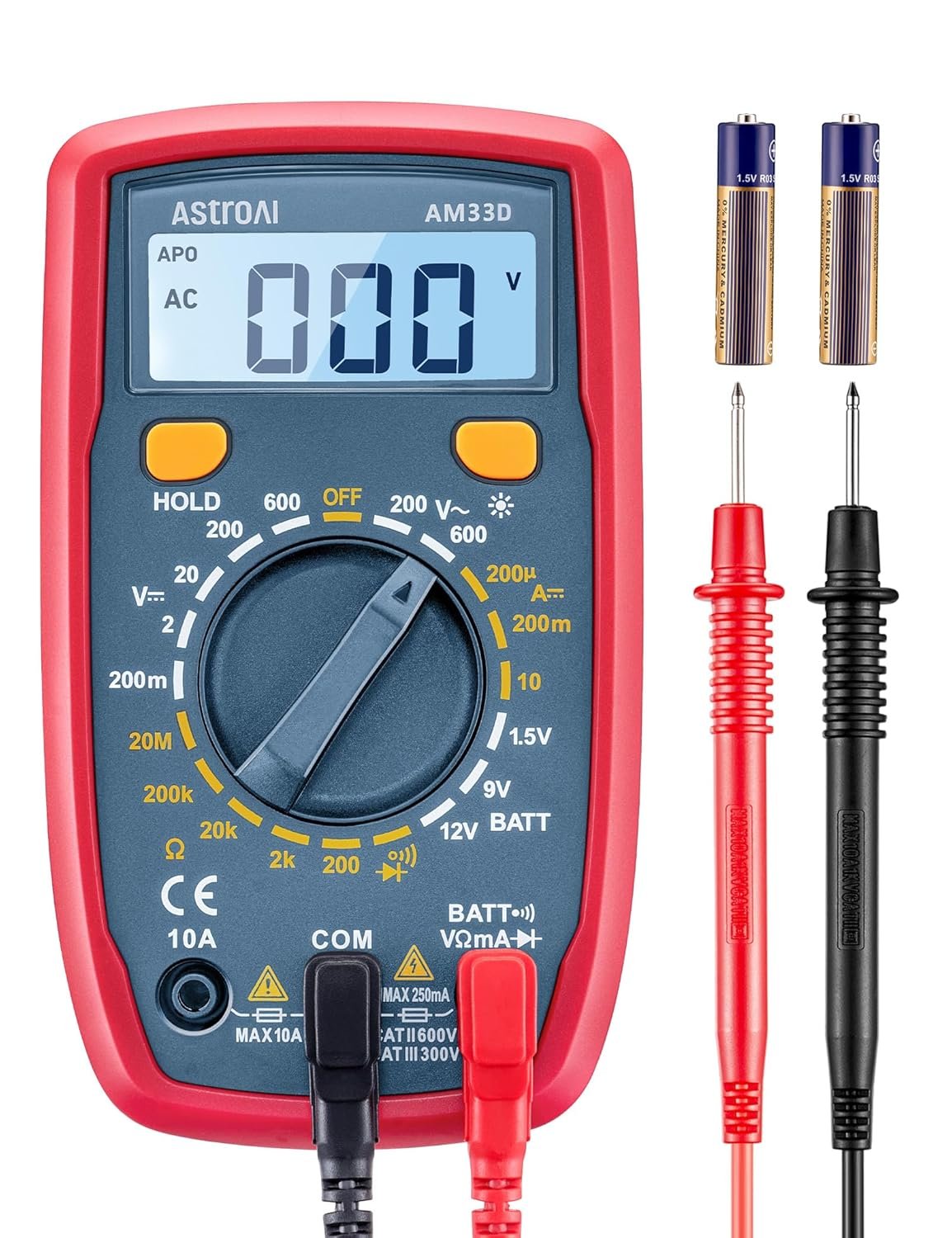
    If your washer is restarting due to a sensor or control issue, a basic multimeter can help you quickly check if parts are working properly.

    Digital Multimeter Tester

    Troubleshooting is made much simpler when you have a digital multimeter. Don’t waste money on expensive multimeters unless it’s your daily job to use one. This device is more than sufficient for your home repair needs.

    We earn a commission if you make a purchase, at no additional cost to you.

    In some cases, the washer may restart the entire cycle instead of just the spin portion.

    4. Drainage Problems

    If the washer does not fully drain water, it may restart part of the cycle to try again.

    What to do:

    • Check the drain hose for clogs or kinks
    • Clean the pump filter if applicable

    Simple Fix for Buildup Issues

    Residue and buildup can sometimes interfere with sensors and drainage, causing cycle problems.

    Drainage issues can also cause your washer to stop before completing the cycle.

    5. High-Efficiency Cycle Adjustments

    Modern washers may automatically adjust cycles based on load conditions.

    This can make it seem like the washer is restarting, when it is actually extending or repeating part of the cycle.

    Is It Normal for a Washer to Restart After Spinning?

    Occasional restarts can be normal, especially in newer machines that adjust cycles automatically.

    However, if it happens frequently or every load, it usually indicates a problem that needs attention.

    When to Be Concerned

    You should investigate further if your washer:

    • Restarts every cycle
    • Never finishes completely
    • Takes much longer than normal

    Final Thoughts

    A washing machine that restarts after the spin cycle is usually dealing with balance, drainage, or sensor issues. Most of these problems can be fixed with simple adjustments or basic maintenance.

    If the issue continues, it may point to a faulty control board or internal component.

    Some washers may pause before restarting when trying to correct a problem.

  • Why Does My Washing Machine Keep Resetting Itself? (Causes & Fixes)

    Fix It Fast

    If your washing machine keeps pausing, restarting, or resetting, try these quick fixes first:

    • Unplug the washer for 5 minutes
    • Check for unbalanced loads
    • Make sure the drain hose is clear
    • Inspect the lid switch or door lock

    These steps solve the problem in many cases.


    If your washing machine keeps resetting itself, it can interrupt cycles and leave clothes unfinished. This problem is usually caused by electrical interruptions, control board issues, or safety systems triggering unexpectedly.

    Here are the most common reasons your washer keeps resetting and how to fix them.

    Most Common Reasons Your Washer Keeps Resetting

    1. Power Supply Issues

    A loose plug, faulty outlet, or power fluctuation can cause the washer to reset mid-cycle.

    What to do:

    • Make sure the washer is plugged in securely
    • Check the outlet for proper power
    • Avoid using extension cords

    Power issues can sometimes cause the washer to stop mid-cycle as well.

    2. Control Board Glitches

    The control board acts as the brain of your washer. If it malfunctions, it can cause the machine to reset unexpectedly.

    What to do:

    • Unplug the washer for 5 minutes to reset it
    • Plug it back in and run a test cycle

    In some cases, the washer may reset and begin the cycle again from the start.

    3. Overloaded Circuit

    If your washer shares a circuit with other heavy appliances, it may reset due to power overload.

    What to do:

    • Try running the washer on a dedicated circuit
    • Avoid running multiple large appliances at once

    4. Faulty Door Lock or Lid Switch

    If the washer detects that the door or lid is not secure, it may reset for safety reasons.

    What to do:

    • Make sure the door or lid is fully closed
    • Inspect the latch for wear or damage

    ***Related Washing Machine Problems***

    If your washer is having other issues, you may also notice:

    These problems are often connected and can help you better diagnose what’s going wrong.

    Some washing machines may appear to restart repeatedly when they are actually failing to drain properly or complete the spin cycle.


    5. Overheating Components

    Some washers reset automatically if internal components get too hot.

    What to do:

    • Let the washer cool down for 30–60 minutes
    • Avoid overloading the machine

    Overheating can also cause your washer to pause before continuing.

    6. Wiring or Internal Electrical Issues

    Loose or damaged wiring inside the washer can cause random resets.

    What to do:

    • If basic fixes don’t work, this may require professional inspection

    Why Does My Washer Reset Mid-Cycle?

    If your washer resets during a cycle, it is often due to:

    • Power interruptions
    • A control board error
    • A safety feature being triggered

    In many cases, the washer is trying to protect itself from damage.

    Is It Normal for a Washing Machine to Reset?

    No—frequent resetting is not normal. While occasional electronic glitches can happen, repeated resets usually indicate a problem that needs to be addressed.

    When to Be Concerned

    You should take a closer look if your washer:

    • Resets multiple times during one cycle
    • Never completes a full cycle
    • Starts over repeatedly without finishing

    Electrical issues can also prevent your washer from starting properly in the first place.

    Final Thoughts

    A washing machine that keeps resetting is usually dealing with a power, control board, or safety issue. Many of these problems are simple to diagnose and fix, but persistent resetting may require deeper inspection.

  • Why Does My Washing Machine Keep Pausing During the Cycle? (Causes & Fixes)

    If your washing machine keeps pausing during the cycle, it can be frustrating—especially when a simple load takes much longer than expected. In many cases, this issue is caused by sensors, load imbalance, or minor mechanical problems rather than a major failure.

    Here’s what’s most likely causing your washer to pause and how to fix it.

    Most Common Reasons Your Washer Keeps Pausing

    1. Load Imbalance

    One of the most common causes is an unbalanced load. If clothes bunch up on one side, the washer may pause to try to redistribute the weight.

    What to do:

    • Stop the cycle and rearrange the clothes
    • Avoid washing bulky items alone (like blankets or towels)
    • Mix heavy and light items together

    Severe imbalance can also cause your washer to shake aggressively during operation.

    2. Lid Switch or Door Lock Issues

    If the washer thinks the lid or door is open, it will pause the cycle for safety reasons—even if it looks closed.

    What to do:

    • Make sure the lid or door is fully closed
    • Listen for a “click” when closing
    • Check for debris or damage around the latch

    3. Water Supply Problems

    Your washer may pause if it isn’t getting enough water or if the flow is inconsistent.

    What to do:

    • Check that both hot and cold water valves are fully open
    • Inspect hoses for kinks or clogs
    • Clean inlet screens if needed

    4. Control Board or Timer Glitches

    Sometimes the washer pauses due to a temporary electronic issue.

    What to do:

    • Unplug the washer for 5 minutes to reset it
    • Plug it back in and run a test cycle

    5. Drainage Issues

    If water isn’t draining properly, the washer may pause before continuing.

    What to do:

    • Check the drain hose for clogs or bends
    • Clean the drain pump filter if your model has one

    In some cases, drainage problems can also prevent the washer from completing the cycle properly.

    6. Overloading the Washer

    Too many clothes can strain the system and cause the washer to pause frequently.

    What to do:

    • Reduce the load size
    • Follow manufacturer load recommendations

    Is It Normal for a Washing Machine to Pause?

    Yes—modern washing machines often pause briefly during cycles to:

    • Sense load size
    • Adjust water levels
    • Balance the drum

    However, frequent or long pauses usually indicate a problem that needs attention.

    When to Be Concerned

    You should take a closer look if your washer:

    • Pauses repeatedly and never finishes
    • Gets stuck at the same point every time
    • Takes much longer than usual to complete a cycle

    Final Thoughts

    A washing machine that keeps pausing is usually dealing with a balance, water flow, or sensor issue. The good news is that most of these problems are easy to fix without needing professional repair.

    If the issue continues after basic troubleshooting, it may point to a faulty control board or internal component that needs further inspection.

  • Why Does My Washing Machine Lid Lock Not Work?

    If your washing machine lid lock is not working, the washer may not start, spin, or complete cycles properly. Most modern washing machines are designed with safety features that prevent operation when the lid or door is not securely locked.

    When the lid lock fails, the washer may stop responding or refuse to run altogether.

    Below are the most common reasons a washing machine lid lock does not work.

    Faulty Lid Lock Mechanism

    The most common cause is a worn or broken lid lock mechanism.

    Over time, the locking components can wear out or fail, preventing the washer from recognizing that the lid is closed.

    Signs of a faulty lid lock include:

    • the washer will not start
    • the lid does not click or lock into place
    • error messages related to the lid

    In many cases, replacing the lid lock assembly resolves the issue.

    A faulty lid lock can also prevent the washer from starting at all.

    Misaligned Lid or Lock Strike

    The lid strike is the part that enters the lock mechanism when the lid is closed.

    If the lid or strike is misaligned, the lock may not engage properly.

    This can happen if the lid becomes loose or slightly bent over time.

    Adjusting or realigning the lid can sometimes fix the problem.

    Electrical or Wiring Issue

    The lid lock is connected to the washer’s electrical system.

    If there is a loose wire or damaged connection, the lock may not receive power or send the correct signal to the control board.

    This can prevent the washer from starting or continuing a cycle.

    Control Board Problem

    In some cases, the issue may be with the control board.

    If the control board is not recognizing the lid lock signal, the washer may behave as if the lid is open, even when it is closed.

    This can stop the washer from operating normally.

    In many cases, this problem is closely related to a washer that keeps restarting the cycle.

    Quick Recap

    If your washing machine lid lock is not working, the most common causes include:

    • faulty lid lock mechanism
    • misaligned lid or strike
    • electrical wiring issues
    • control board malfunction

    Lid lock issues can sometimes interrupt cycles unexpectedly.

    Inspecting these components can help restore normal washer operation.

  • Why Does My Washing Machine Keep Filling With Water?

    If your washing machine keeps filling with water, the issue is usually caused by a faulty water inlet valve, pressure switch problem, or a control malfunction. When the washer cannot detect the correct water level, it may continue filling beyond what is needed.

    This can lead to overflows or cycles that never properly begin.

    Below are the most common reasons a washing machine keeps filling with water.

    Faulty Water Inlet Valve

    The water inlet valve controls how much water enters the washing machine.

    If the valve becomes stuck open or fails, water may continue flowing into the washer even when it should stop.

    This is one of the most common causes of overfilling.

    Pressure Switch or Water Level Sensor Failure

    Washing machines use a pressure switch or water level sensor to determine when the correct amount of water has been reached.

    If this sensor fails, the washer may not detect that it is full and will continue filling.

    This can cause the machine to run longer than expected or overflow.

    Blocked or Damaged Pressure Hose

    The pressure switch relies on a small hose to measure water levels.

    If this hose becomes clogged, disconnected, or damaged, the sensor may not receive accurate readings.

    As a result, the washer may continue filling with water unnecessarily.

    Control Board Issue

    In some cases, the problem may be with the control board.

    If the board does not send the correct signal to shut off the inlet valve, water may continue entering the washer.

    This is less common but can occur in older or heavily used machines.

    Quick Recap

    If your washing machine keeps filling with water, the most common causes include:

    • faulty water inlet valve
    • pressure switch or sensor failure
    • clogged or damaged pressure hose
    • control board malfunction

    Overfilling can sometimes cause the washer to behave unpredictably during cycles.

    Identifying the correct component can help stop the overfilling and restore normal operation.

  • Why Does My Washing Machine Take So Long to Wash?

    If your washing machine takes too long to wash, the issue is often related to cycle settings, sensor behavior, or problems with water flow. Modern washing machines are designed to adjust cycle times automatically, which can sometimes make it seem like the machine is running much longer than expected.

    In some cases, longer cycles are normal. However, if the wash time has increased significantly, there may be an underlying problem.

    Below are the most common reasons a washing machine takes too long to complete a cycle.

    High-Efficiency Wash Cycles

    Many newer washing machines use high-efficiency (HE) cycles that are designed to save water and energy.

    These cycles often run longer because they use less water and rely on extended agitation and soaking to clean clothes.

    If you recently switched cycles, the longer wash time may be normal.

    Unbalanced Load Detection

    Washing machines may extend the cycle if they detect an unbalanced load.

    The washer may pause, redistribute the load, and restart parts of the cycle to prevent damage.

    This can make the cycle seem much longer than usual.

    In some cases, this can also cause the washer to shake violently during the spin cycle.

    Low Water Pressure

    If the washer is filling slowly due to low water pressure, the machine may take longer to reach the correct water level.

    This can extend the overall cycle time.

    Clogged inlet screens or partially closed water valves can reduce water flow into the machine.

    Sensor or Control Issues

    Modern washers use sensors to determine load size, water level, and cycle timing.

    If a sensor is not working correctly, the washer may miscalculate how long the cycle should run and extend it unnecessarily.

    This can cause cycles to appear longer than normal.

    Drain Problems

    If the washer has trouble draining water, it may delay or repeat parts of the cycle.

    A slow drain can prevent the machine from moving on to the next stage of washing.

    This can make the entire process take longer.

    Slow drainage can also cause a washer to leave clothes wetter than expected.

    Quick Recap

    If your washing machine takes too long to wash, the most common causes include:

    • high-efficiency cycle settings
    • unbalanced loads
    • low water pressure
    • sensor or control issues
    • slow drainage problems

    Checking these areas can help you determine whether the longer cycle time is normal or caused by a problem.